Rare LEGO sets are not always the most expensive sets, and expensive sets are not automatically rare. Collectors usually pay more when scarcity, demand, condition and completeness all line up. That distinction matters whether you collect for nostalgia, display or long-term value.

What makes a LEGO set rare?
Production numbers are only one part of the answer. A set can become difficult to find because it was sold for a short period, limited to an event or region, or released to a small group such as LEGO Inside Tour guests. Older sets also disappear as boxes are opened, instructions are lost and parts become mixed into collections.
Rarity describes supply. Value appears when enough collectors still want the set.
Types of rare LEGO sets collectors watch
- Event and tour exclusives: distributed in small quantities and rarely offered through normal retail.
- Early modular buildings: desirable when complete because they anchor long-running city collections.
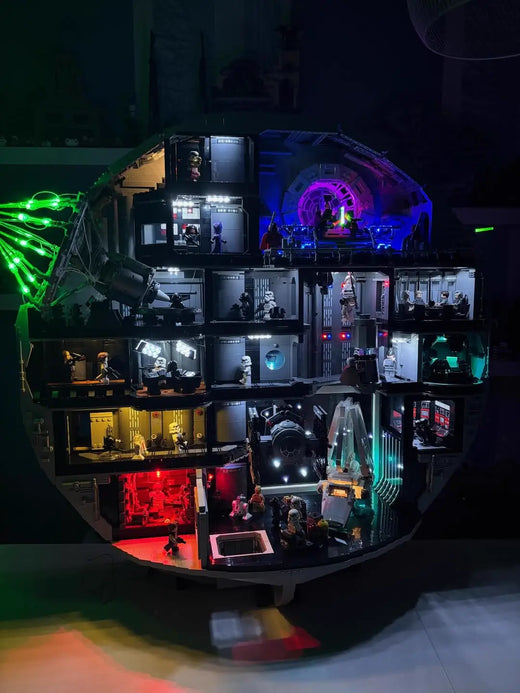
- Retired UCS sets: large Star Wars display models can retain strong AFOL demand.
- Regional releases: harder to source outside their original market.
- Limited minifigures: small items can be valuable when the character and distribution are both unusual.
Condition changes everything
A sealed box, a complete used set and a loose collection of parts are three different products. For boxed sets, inspect seals, crushing, fading and moisture damage. For used sets, confirm the inventory, instructions, stickers, minifigures and any unique printed elements.
“Complete” should mean complete. A missing exclusive minifigure can affect desirability far more than a handful of common bricks.
How to research value without guessing
- Check completed sales, not only active asking prices.
- Compare the same condition: sealed, complete used or incomplete.
- Review more than one sale to avoid one-off results.
- Include marketplace fees, shipping and insurance.
- Recheck demand before buying; collector interest changes.
Rare does not mean risk-free
LEGO sets take space, can be damaged and may take time to sell. Reissues, new versions and changing collector tastes can affect demand. Buy sets you would be happy to own even if the resale market slows down. This article is collector guidance, not financial advice.
AFOL collector checklist
- Verify the exact set number and release version.
- Photograph seals and box condition before storage.
- Store boxes away from sunlight, heat and moisture.
- Keep instructions, spare parts and proof of purchase together.
- Prioritise themes you understand rather than chasing hype.
The strongest rare LEGO collections are built with patience. Learn the set, verify the condition and understand who will still want it when the initial excitement has passed.